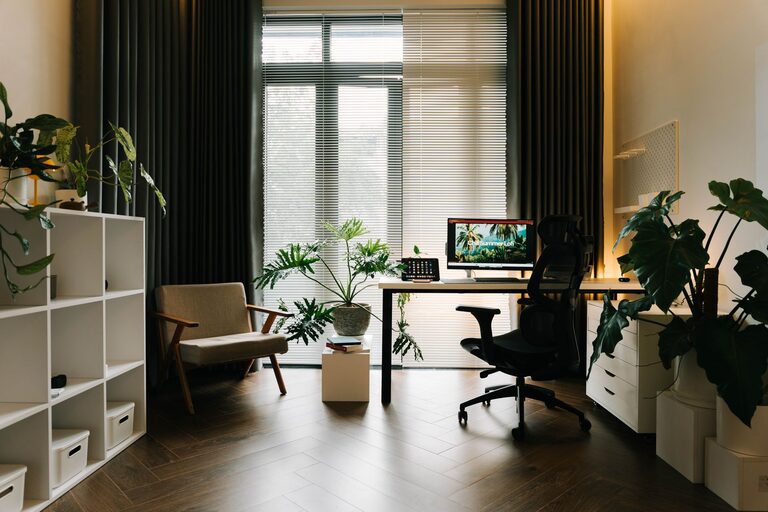

Creating a home office that feels cozy yet promotes productivity can be a game-changer for your remote work experience. Whether you’re setting up a new workspace or refreshing an existing one, blending comfort with function helps you stay motivated and focused. In this post, we’ll explore practical tips to build a home office that supports your work style while making the space inviting.
Choose the Right Location
The foundation of a productive home office starts with the right location. Ideally, pick a spot that:
– Has natural light to boost mood and energy levels
– Is away from heavy foot traffic or noisy areas to reduce distractions
– Offers enough space for your desk, chair, and storage
– Allows for good ventilation and comfortable room temperature
Even a small nook can work well if you keep it organized and dedicated to work only.
Invest in a Comfortable Chair and Desk
Since you’ll be spending hours at your desk, comfort is key to preventing fatigue and maintaining focus.
– Ergonomic chair: Look for one with adjustable height, lumbar support, and cushioned seating to support your posture.
– Appropriate desk: Your desk should fit your work essentials without overcrowding. If possible, consider a desk with adjustable height or options to alternate between sitting and standing.
Adding a footrest or a cushion can also make your seating more comfortable.
Optimize Lighting for Comfort and Efficiency
Good lighting reduces eye strain and keeps you alert.
– Maximize natural light by positioning your desk near a window, but avoid glare on your screen.
– Use layered lighting: a combination of overhead lights and task lighting like a desk lamp.
– Choose bulbs with natural white hues (around 4000K) for a balance between warm and cool light.
– Dimmer switches or adjustable lamps help you control brightness throughout the day.
Keep Your Workspace Organized and Clutter-Free
A tidy workspace helps clear your mind and improves efficiency.
– Use storage solutions such as shelves, filing cabinets, or drawer organizers.
– Keep only essential items on your desk to avoid distractions.
– Use cable management tools to keep cords neat and out of the way.
– Dedicate spaces for frequently used supplies to minimize time searching for them.
Personalize Your Space Wisely
Adding personal touches can make your office feel welcoming without distracting you.
– Display a few favorite photos, inspirational quotes, or artwork.
– Incorporate plants to bring in greenery and improve air quality.
– Use colors that boost productivity, such as soft blues or greens, or calming neutrals.
– Avoid too many decorations that compete for your attention.
Create Zones for Different Activities
If your space allows, separate areas based on tasks.
– A focused work zone with your computer and main work tools.
– A reading nook with comfortable seating and good lighting.
– A spot for brainstorming, perhaps with a whiteboard or corkboard.
Having designated zones helps you switch mentally between tasks and stay organized.
Manage Noise Effectively
Sound distractions can hinder concentration, so consider these options:
– Use noise-cancelling headphones or background music or white noise apps.
– Add soft furnishings like rugs, curtains, and cushions to absorb sound.
– Close doors or windows when possible to minimize outside noise.
Maintain a Healthy Routine in Your Office
Your workspace should encourage good habits:
– Set regular work hours and take breaks away from your desk.
– Use a timer or productivity apps to balance focus and rest periods.
– Hydrate and keep healthy snacks nearby to sustain energy.
– Incorporate some light stretching or movement during breaks to avoid stiffness.
Keep Technology Up to Date and Organized
Smooth technology use supports productivity:
– Ensure a reliable internet connection.
– Use wireless devices to reduce cable clutter.
– Keep software and apps updated for security and efficiency.
– Back up important files regularly.
Final Thoughts
Creating a cozy and productive home office takes a combination of thoughtful planning and personal touches. By focusing on comfort, organization, lighting, and minimizing distractions, you can build a workspace that helps you perform at your best while feeling good throughout the day. Whether you’re working full-time from home or just need a dedicated spot to manage personal projects, these tips will help you make the most of your space.
Remember that your home office should serve your needs and preferences, so feel free to adjust these suggestions and create an environment that’s uniquely yours. Happy decorating and productive working!