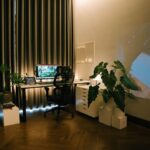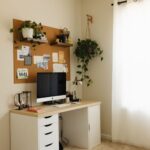


Creating a home office that is both cozy and productive can greatly enhance your work-from-home experience. Whether you are new to working remotely or want to improve your current setup, a well-designed space can boost your focus, creativity, and overall well-being. This guide shares practical tips to help you transform any corner of your home into an inspiring and comfortable office.
Choose the Right Location
Selecting the right spot for your home office is the first step toward productivity and comfort.
– Quiet and Private: Look for a space that minimizes distractions. If possible, pick a room with a door or a quiet corner away from household noise.
– Natural Light: Position your desk near a window to benefit from natural light. It improves mood and reduces eye strain.
– Comfortable Size: Your workspace should be big enough for your desk, chair, and any necessary equipment without feeling cramped.
Invest in Comfortable Furniture
Furniture quality impacts how long you can comfortably work and how your body feels afterward.
– Ergonomic Chair: Choose a chair that supports your posture, with adjustable height and lumbar support.
– Appropriate Desk: Pick a desk that fits your work style and room size. Standing desks or adjustable desks are good options for variety.
– Storage Solutions: Use shelves, drawers, or filing cabinets to keep your essentials organized and within reach.
Organize Your Workspace
A tidy environment can help maintain focus and reduce stress.
– Declutter Regularly: Keep only what you use daily on your desk. Store or remove unnecessary items.
– Use Organizers: Desk trays, cable management tools, and pen holders keep your items neat.
– Digital Organization: Manage files and emails to reduce digital clutter, complementing your physical space.
Personalize Your Space
Adding personal touches creates a welcoming atmosphere that encourages you to spend time in your office.
– Decor with Purpose: Choose artwork, plants, or photos that inspire and relax you without overwhelming the space.
– Color Choices: Use colors that promote productivity and calm, like soft blues, greens, or warm neutrals.
– Lighting Options: Besides natural light, add warm desk lamps or floor lamps to avoid harsh overhead lighting.
Create Zones for Different Tasks
If space permits, dividing your office into zones can improve efficiency.
– Work Zone: The main desk area for focused tasks like computer work and meetings.
– Reference Zone: A spot for books, notes, and materials you need to access frequently.
– Relaxation Zone: Even a small area with a comfy chair where you can take short breaks helps mental refreshment.
Manage Noise and Distractions
A calm environment aids concentration and productivity.
– Noise Control: Use rugs, curtains, or acoustic panels to minimize echo and outside noise.
– Headphones or White Noise: Noise-canceling headphones or white noise machines can help block distractions.
– Set Boundaries: If you share your living space, communicate your work hours and needs clearly.
Maintain Good Air Quality and Temperature
Physical comfort is essential to stay focused during long work sessions.
– Ventilation: Keep windows open when possible or use an air purifier to ensure fresh air.
– Temperature Control: Use fans or heaters as needed to maintain a comfortable temperature.
– Add Plants: Indoor plants improve air quality and add a calming presence.
Balance Screen Time and Movement
Taking care of your body prevents fatigue and health issues.
– Follow the 20-20-20 Rule: Every 20 minutes, look at something 20 feet away for 20 seconds.
– Incorporate Movement: Stand, stretch, or walk during breaks to reduce stiffness.
– Use a Timer: Schedule regular breaks and stick to them for better time management.
Set a Routine and Use Technology Wisely
Structure and tools support productivity.
– Consistent Schedule: Start and finish work at set times to maintain work-life balance.
– Task Management Apps: Use tools like calendars, to-do lists, or project managers to stay organized.
– Limit Notifications: Manage alerts to avoid unnecessary distractions.
Final Thoughts
Designing a cozy and productive home office doesn’t require a big budget or extensive remodeling. Thoughtful choices about location, furniture, organization, and ambiance can create a space that supports your work while making you feel comfortable and motivated. Experiment with these tips and adjust based on what makes you feel your best. A well-designed home office is an investment in your daily productivity and well-being.