
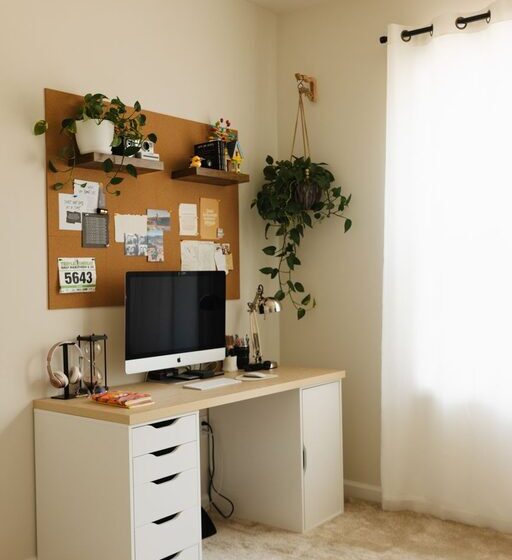

Creating a relaxing home office environment is essential for maintaining productivity and well-being when working remotely. A thoughtfully designed workspace can reduce distractions, ease stress, and help you focus better throughout the day. Whether you have a dedicated room or a small corner for your home office, applying a few simple tips can transform your work area into a peaceful and inspiring place.
Why a Relaxing Home Office Matters
Spending long hours in a cluttered or uncomfortable space can make it harder to concentrate and drain your energy. A calming environment encourages creativity, keeps your mood positive, and improves your overall work performance. By taking the time to design your home office with relaxation in mind, you can create a space where work feels less like a chore.
Key Elements for a Relaxing Home Office
1. Choose a Quiet, Private Spot
Selecting a distraction-free location is the first step. Ideally, find a room or an area that is separate from busy household activities. If space is limited, consider using room dividers or noise-cancelling headphones to minimize interruptions.
2. Optimize Natural Light
Natural light can boost your mood and energy. Position your desk near a window to benefit from daylight. Use sheer curtains to soften the sunlight if it’s too harsh. If your space lacks windows, invest in full-spectrum bulbs that mimic natural light.
3. Comfortable and Ergonomic Furniture
Invest in a quality chair with good lumbar support and a desk at the right height. Ergonomic furniture helps prevent strain and fatigue. Add a footrest or an adjustable monitor stand to customize your setup further.
4. Declutter and Organize
A tidy workspace reduces stress and helps you stay focused. Use shelves, drawers, or organizers to keep supplies, documents, and gadgets out of sight but easily accessible. Adopt a daily routine to tidy up at the end of your workday.
5. Soothing Colors and Décor
Choose colors that promote calmness and concentration, such as soft blues, greens, or neutrals. Add personal touches like plants, artwork, or photos that inspire you but avoid overcrowding the space.
Additional Tips for Enhancing Relaxation
6. Incorporate Plants
Indoor plants improve air quality and create a connection to nature, which can reduce stress. Easy-to-care-for options like snake plants, pothos, or succulents are ideal for home offices.
7. Use Aromatherapy
Essential oils such as lavender, eucalyptus, or peppermint can promote relaxation and alertness. Use a diffuser or scented candles carefully, making sure they are safe and don’t cause distractions.
8. Manage Noise Levels
Consider white noise machines or calming background music to mask disruptive sounds. Soft instrumental music or nature sounds can enhance concentration and create a serene atmosphere.
9. Take Regular Breaks
Set a timer to remind yourself to step away from your desk every hour. Short breaks for stretching or quick walks can refresh your mind and reduce physical tension.
10. Personalize Your Space
While it’s important to keep your workspace functional, adding elements that reflect your personality can make it a more enjoyable place to spend your day.
Setting Boundaries for Work and Relaxation
Maintaining a clear separation between work and home life is key to relaxation. When possible, close the door to your home office at the end of the day or pack away work materials to signal that work time is over.
Conclusion
Designing a relaxing home office isn’t about creating a fancy setup but rather about making thoughtful choices that support your comfort and focus. By combining elements such as good lighting, ergonomic furniture, soothing colors, and organization, you can craft a space that helps you stay productive and calm. With a few small changes, your home office can become your favorite place to work.
—
Try implementing these tips gradually, starting with what is easiest for you, and notice how a more relaxing workspace can improve your workday.